Adrian Jones uses AR to bring Pittsburgh's erased Black history back to the streets
Adrian Jones built Looking Glass - a place-based AR storytelling app - with ViroReact and Studio: no game engine, open-source tools, and full control over the data.
 Built with
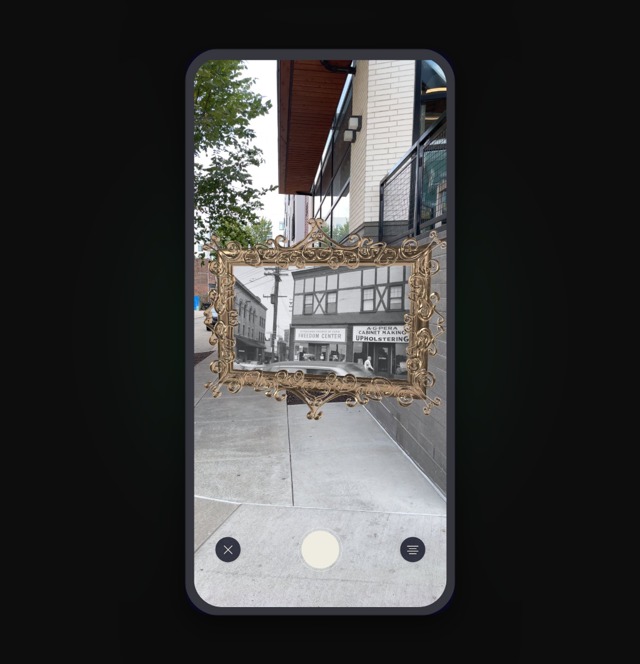
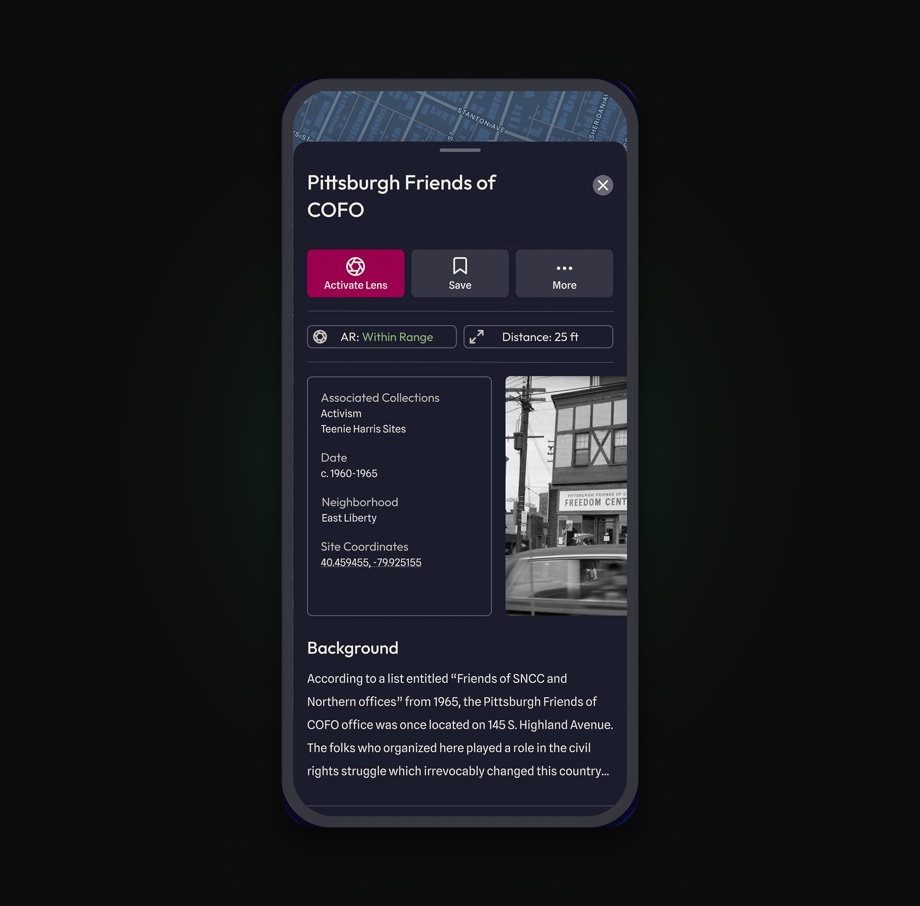
145 South Highland Avenue
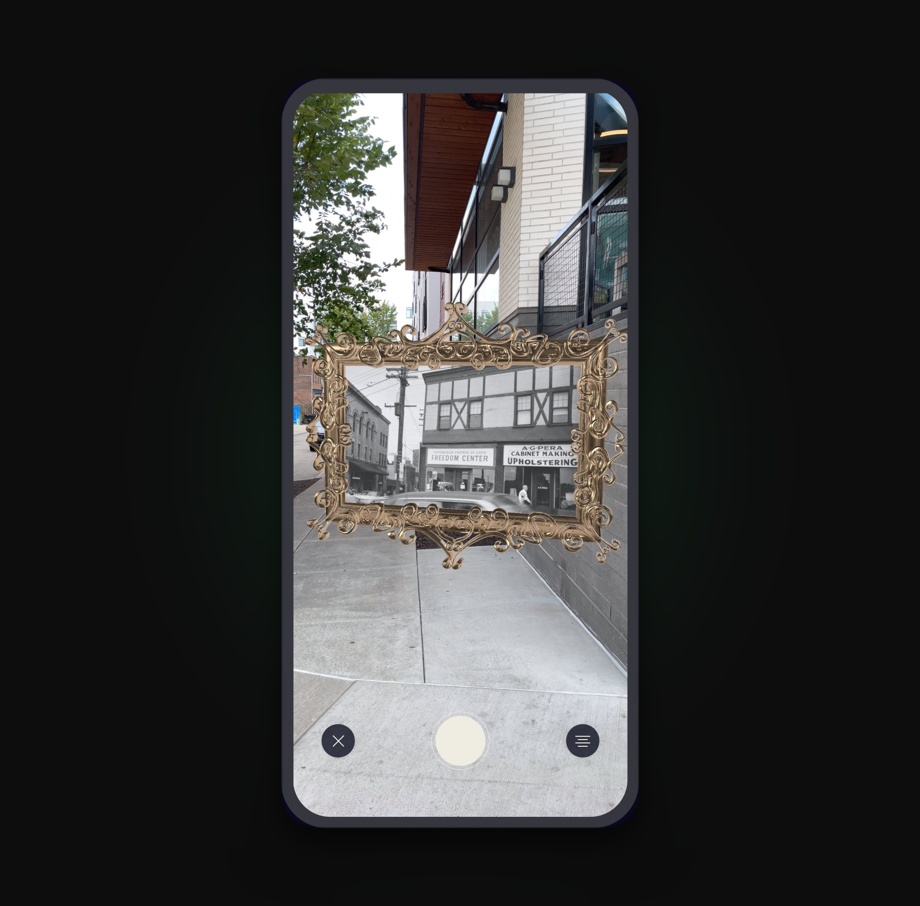
There's a stretch of South Highland Avenue in Pittsburgh's East Liberty where you'd walk past without a second look. Today it reads as ordinary street - storefronts, sidewalk, traffic. Nothing on the block tells you what once stood here.
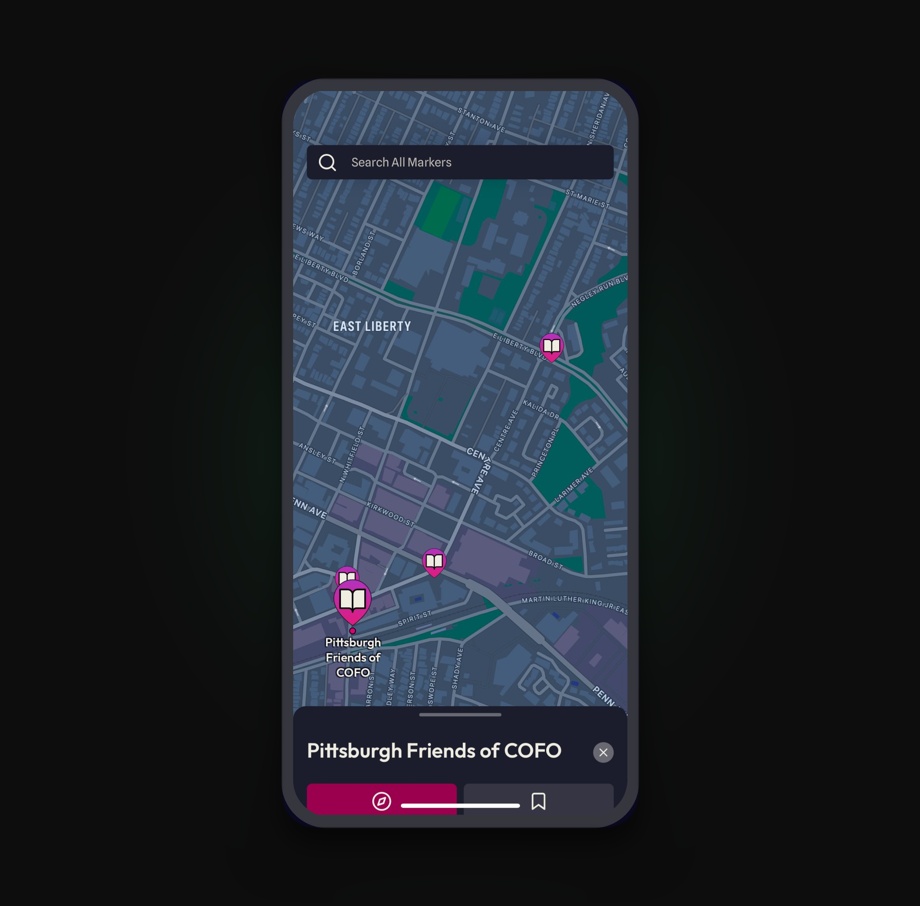
In the early 1960s, this was the office of the Pittsburgh Friends of COFO. COFO - the Council of Federated Organizations - was the coalition that brought SNCC, CORE, the NAACP and others together to register Black voters across the segregated South. The people who gathered in this East Liberty storefront were part of the northern support network behind that work - raising money, awareness, and solidarity for a freedom struggle unfolding hundreds of miles away.
Like much of Black East Liberty, the building and the history inside it slipped out of the streetscape - urban renewal, redevelopment, and time did the rest. Looking Glass puts it back. Stand on the block, raise your phone, and the past returns to the exact spot where it happened.
About Adrian

Adrian Jones is a creative technologist and archivist. He moved to Pittsburgh in 2017 and started noticing things - developers buying up neighbourhoods, long-standing Black residents getting pushed out, a Whole Foods where an apartment building used to be, a luxury complex where a small business stood for fifty years.
He kept digging and stories kept showing up, and the uncomfortable part was that none of it was new - the same thing had been happening in Pittsburgh for over a century.
In 2021, he started building Looking Glass. The idea: map those stories to the exact GPS coordinates where they happened. You walk to a spot, open the app, and the past shows up on top of the present. Photos, oral histories, 3D sculptures anchored to the original site.
Why not Unity
Adrian is a web developer with no 3D background and no interest in learning Unity or any game engine. He just wanted to build a phone app that has AR in it.
But the tech choice wasn't just about convenience. Looking Glass holds stories that community members trusted Adrian with. Where that data lives and who controls it - for this project, that's not a side concern, it's the entire point.
"I'm all about existing outside of a game engine where we're not subject to licensing - where we can really understand where our data sits and how it flows to the application. The control and the ownership is important."
 Adrian JonesFounder, Looking Glass
Finding ViroReact
He searched "React Native augmented reality" and ViroReact showed up. He joined the Discord, found people actually answering questions, and started building. This was before ReactVision even existed as a company - ViroReact was community-maintained, no corporate backing.
It worked anyway - an open-source AR renderer that runs inside a normal React Native project, full npm ecosystem access, no licensing fees, and Adrian could see exactly where his data was going.
"I really love being able to use this open source software as opposed to taking the approach of utilising a game engine. It's been, in my mind, well worth the wait. So much less of a lift than the other routes of building augmented reality experiences."
Adrian JonesFounder, Looking GlassHow the build went
It took about a year and a half, working part-time between grant cycles. Adrian isn't coding full-time - he's juggling research, community relationships, and fundraising alongside the build. But the first working AR demo came together faster than he thought it would.
"It didn't take much work to get a hello world kind of augmented reality experience," he says. "And that was really satisfying. Most of the work was on the React Native part - getting the app up and running, getting the package wired up. But once the ViroReact component was initialised, it was like, oh, this is actually pretty straightforward."
The hard parts had nothing to do with ViroReact. Adrian had never worked in 3D before. His models looked wrong inside the app and he couldn't figure out why. Turns out he hadn't set up lighting in the scene. "I might have gotten to that realisation quicker if I had a 3D background where it's just like, oh yeah, you need to have lights in your scene," he says. "But the documentation, being able to see other examples of scenes that people have built - all of that was really helpful."
Right now he's working on making the existing app better. More stories across the city, geospatial anchors that pin AR content to real GPS coordinates, and more interaction with the 3D objects in each scene.
Adrian doesn't connect Studio to his production app. He wants full control over his live infrastructure. But he uses it as a preview tool for his 3D artists. They upload assets, see how they look rendered through ViroReact, and catch problems before anything hits the live app. Developer and artist looking at the same thing, without touching production.
Beyond Pittsburgh
Adrian is building partnerships with universities and high schools. The long-term goal: teachers use Looking Glass in their curricula, students go outside and learn history where it actually happened instead of reading about it in a classroom.
Pittsburgh's Black histories are the focus right now. But the way the app is being built, stories from other cities could eventually plug in too. The hard part was always the infrastructure, and that's getting there.
"At the end of the day, I'm building a mobile application that has an augmented reality component. If you fall into that category, then it really makes sense to consider ReactVision - because it enables you to use what's best suited for that particular purpose. It really lives in the flow of what one would want as a real React Native development experience."
Adrian JonesFounder, Looking Glass · Pittsburgh, PA
An AR archive of Black life in Pittsburgh. Available now.
Building a location-based AR experience?
ReactVision gives React Native developers everything they need to build and ship AR and VR. No game engine required.